Mastering the Craft of Tree Pruning: Beyond Simple Trimming
In the heart of our bustling cityscapes, where skyscrapers dominate, trees stand as tranquil retreats for a myriad of creatures and people who dwell amongst them. The enduring health and stability of these leafy giants, however, demand consistent and professional attention in the form of tree pruning. This discussion turns a spotlight on the necessity of such care, delving into its role in sustaining an urban forest that is not just vigorous but also visually appealing.
Why Prune? The Crux of Urban Tree Maintenance
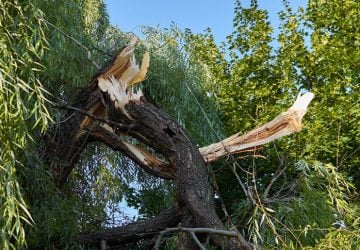
Trees in the wild find their way without human interference, but those in our cities need a helping hand. Tree pruning transcends mere visual improvement, serving as a pivotal factor in tree vitality and neighborhood safety. Branches that grow unrestrained threaten infrastructure, passing citizens, and vital utilities like power lines. More critical still is the role of pruning in averting structural weaknesses that, if unaddressed, can culminate in the tree's premature demise.
Pruning: A Vital Health Protocol for Trees
Comparable to a routine health evaluation, pruning is indispensable for trees. This process aids in spotting and excising branches that are sickly, on the verge of death, or already deceased, thereby halting decay and deterring pests. Professional tree caregivers can judiciously prune to allow sunlight and air to permeate the canopy, encouraging stalwart structure and staving off illness.
Mastering the Craft: When and How to Prune
Tasked with a systematic approach, pruning must align with precise timing and methodology for the tree's ultimate benefit. Many tree types favor the dormant season of late winter or the onset of spring for pruning, which eases the tree's burden. The chosen pruning methods—be it cleaning off unhealthy branches, thinning to elevate canopy penetration, or raising the tree's lower limbs—rely heavily on the tree's individual needs and the overarching landscaping objectives.
The Aesthetics of Pruning: Beyond the Basics
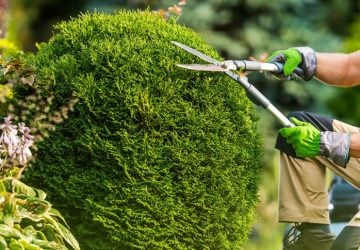
Pruning transcends basic upkeep, verging on a form of artistry that shapes a tree’s prospective growth while preserving its inherent beauty. The skillful hands of a pruner transform trees into living masterpieces that enrich our urban vistas. This artistic aspect shines in specialized pruning techniques like topiary and espalier, where trees and shrubs are meticulously sculpted into decorative displays.
Arborists: Guardians of Tree Pruning
The intricacy involved in tree pruning is not to be undervalued, often necessitating the deft touch of a professional. Arborists, with their deep understanding of tree biology, are adept at pruning that minimizes trauma and fosters ongoing vitality. They execute each cut strategically, with foresight for the tree's health and its growth trajectory.
Conclusion
Overlooking the essential service of tree pruning in urban settings is not an option. It stands as a pillar of support for a tree's zest, aesthetic allure, and communal safety. Through procuring professional pruning services, city planners and property owners pledge their dedication to nurturing green spaces of enduring health and beauty, guaranteeing their enjoyment for future generations.
-
1

Ultimate Countdown: The 20 Very Legendary Gaming Consoles Ever!
-
2
Master the Art of Flossing for a Stunning Smile and Healthy Gums
-
3
Explore the Horizon with the Kona SUV: Hyundai's Trailblazing Crossover Redefines the Road Ahead
-
4
Affordable Cell Phones for Seniors Today
-
5
Full Dental Implants in One Day Explained