Understanding “Edeni Loronha” in Modern Dental Care
This guide explains how “Edeni loronha” is approached within modern dental care, from clinical assessment to good management. Background research clarifies how names like this may relate to oral health planning, treatment selection, and patient expectations. The article provides objective considerations for evaluating care, choosing reputable suppliers, and understanding practical requirements.
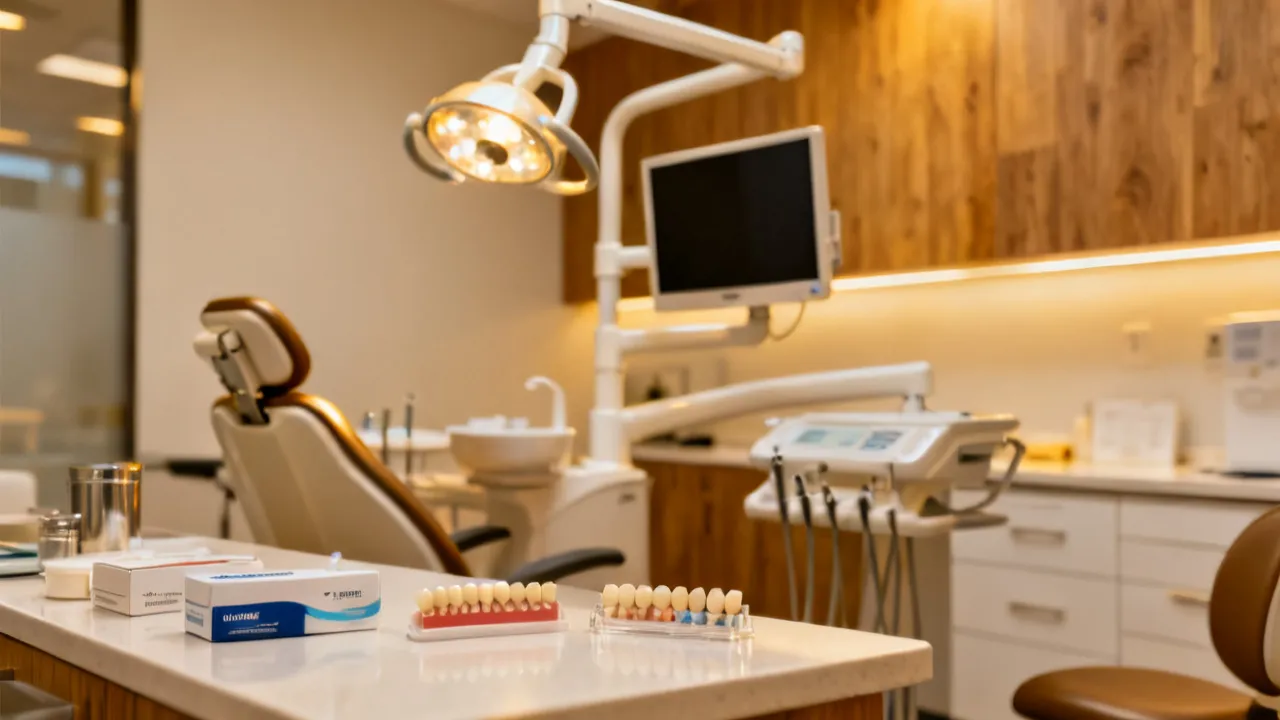
Key takeaways on “Edeni loronha”
Understanding Edeni loronha in the context of dental care is less about a single product and more about how a clinician structures assessment, treatment selection, and follow-up. Patients who research “Edeni loronha” often want clarity on what outcomes are realistic, how clinical decisions are made, and what supplier or practice factors influence the overall experience.
From an expert standpoint, the safest way to interpret Edeni loronha is as a reference point for care planning: the “how” (protocols, diagnostics, and risk management) matters more than any label. Because patient-specific anatomy and health history drive decisions, “Edeni loronha” should be evaluated through documented clinical steps rather than marketing language.
In practice, reputable providers treat oral health planning as a chain: diagnosis → treatment proposal → consent and requirements → execution → maintenance. That chain is where quality is visible, including how clinicians explain uncertainties, document findings, and coordinate materials through transparent procurement processes.
Important note: You did not provide explicit price information, supplier details, or a specific city/country to localize. Therefore, this article focuses on objective decision criteria and typical professional pathways. If you share a specific clinic/practice name, location, or product category, the guidance can be tailored without guessing.
In other words, when someone uses a phrase like Edeni loronha online, the real value for a patient is not the phrase itself—it’s what it can prompt you to ask: “What exactly will be done, why is it needed for my case, what evidence supports the recommendation, and how will success be monitored?”
Dental care outcomes are influenced by a wide set of variables—some controllable (operator technique, material choice, maintenance schedule) and some patient-dependent (hygiene habits, systemic conditions, compliance). A trustworthy provider acknowledges both and designs a plan that is realistic and measurable. That mindset is the most practical way to approach any term that appears in search results, especially when the term is not widely standardized or is used as a local descriptor.
How “Edeni loronha” fits into dental decision-making
In dental settings, patients often search for a phrase like Edeni loronha because they are trying to connect a desired outcome (e.g., healthier gums, improved bite stability, restorative longevity) with a method or a branded offering. However, dental outcomes are rarely determined by naming alone. They depend on:
- Clinical findings: caries risk, periodontal status, occlusion, restorability, bone quality, and soft-tissue thickness.
- Diagnostic rigor: how images, probing charts, and records are obtained and reviewed.
- Material compatibility: whether selected restorations or devices match the clinical situation.
- Follow-up discipline: maintenance schedules, hygiene coaching, and monitoring intervals.
From an industry expert’s viewpoint, “Edeni loronha” should be treated as a prompt to ask the right questions: What exactly is being proposed? Which diagnostic evidence supports it? What are the expected timelines and maintenance requirements? What happens if conditions change?
To put it simply, a clinic’s decision-making is usually driven by principles and evidence rather than by a phrase. Yet phrases can still be useful because they help patients find a pathway or a concept. The key is to verify what the concept actually means in a real clinical plan.
For example, if a phrase encountered in search results is being associated with a restorative upgrade, the provider should be able to explain whether it involves cavity removal strategy, bonding system selection, margin design principles, and occlusal considerations. If the same phrase is being associated with periodontal stabilization, the provider should be able to discuss probing depth trends, bleeding indices, scaling and root planing protocols (or alternative evidence-based periodontal therapies), and maintenance intervals.
If a phrase is being associated with “cosmetic” work, the provider still must anchor it to functional and biological needs—because aesthetics without biological stability often leads to failure or recurrent problems. So even if the patient’s goal is appearance, a clinician should still evaluate caries risk, occlusal load, gum health, and long-term maintenance.
Why patient expectations often diverge from clinical realities
One reason keywords like Edeni loronha gain attention is that patients naturally want a straightforward “answer.” Dental care, however, is adaptive. Two people can receive the same category of treatment and still experience different outcomes due to:
- Differences in healing capacity and systemic health (e.g., diabetes control, smoking status).
- Variation in oral microbiome and hygiene consistency.
- Restorative constraints (tooth structure, margins, bite forces).
- Time-to-maintenance after initial care.
Professional practices therefore emphasize informed consent and evidence-based planning. A good provider will translate clinical terms into understandable language while maintaining precision about what cannot be guaranteed.
When patients read about a keyword online, they may inadvertently assume a one-to-one relationship between the keyword and an outcome. But in dentistry, the relationship is usually many-to-many: outcomes depend on diagnosis, planning, execution, and maintenance; and multiple pathways can be reasonable for the same patient.
Additionally, patients often underestimate the role of follow-up. For instance, periodontal health can shift significantly based on consistent biofilm control. Restorations can fail for reasons that have little to do with “quality brand” and much to do with margins, occlusal forces, or patient-level plaque control. A provider who understands this will talk about monitoring and long-term responsibility as part of the treatment plan.
Another expectation gap arises from misunderstanding “procedure time” versus “treatment timeline.” Some workflows include staging (such as stabilization before definitive restorations), lab work, healing periods, and adjustments. Patients may see a treatment described online as “quick” and then discover that their case requires prerequisites.
Therefore, interpreting Edeni loronha responsibly means converting it from a hoped-for outcome label into a set of verifiable clinical steps. If a provider cannot articulate those steps, the patient has every right to ask questions or seek a second opinion.
Evaluating supplier and practice credibility (without relying on branding)
When patients look up Edeni loronha, they may also encounter references to suppliers—manufacturers, distributors, or supply chains that provide dental materials or devices. Quality is not automatically tied to brand name; it’s tied to the provider’s procurement and quality assurance:
- Traceability: can the practice describe how materials are sourced and documented?
- Quality control: does the practice use validated processes for handling and storing materials?
- Compatibility standards: are materials chosen based on clinical requirements, not only availability?
- Regulatory alignment: are products used in accordance with applicable professional and regulatory requirements?
Objective evaluation also means looking at how clinicians coordinate interdisciplinary care when needed—such as periodontics, prosthodontics, orthodontics, or oral surgery—rather than forcing a one-size-fits-all approach.
In more practical terms, credibility can be assessed through how a clinic answers “process” questions. A patient doesn’t need insider knowledge of suppliers to verify quality. Instead, ask whether the clinic can explain:
- How they ensure materials haven’t passed shelf-life or been stored improperly.
- Whether they follow manufacturer instructions for use (including mixing, curing, activation steps, and handling conditions).
- How they verify that lab-produced components (if any) are produced to correct specifications, including shade matching, fit tolerances, and contact design.
- How they manage updates when clinical conditions change (for example, tooth preparation timing, gingival healing, or occlusal adjustments).
Credible practices also document clinical findings. Documentation isn’t about paperwork—it’s how risk is managed and how clinical reasoning can be audited and communicated. If a clinic cannot provide a clear record summary—baseline measurements, radiographic rationale, and the plan—then the patient has less ability to verify what was actually decided.
Another element of credibility is responsiveness. If a restoration fails early or a periodontal issue flares, how does the clinic handle corrective care? A responsible provider has a process for addressing complications, not just a sales approach.
Clinical pathways commonly associated with “Edeni loronha” searches
Because Edeni loronha is presented here without context, it may represent a practice pattern, a product category, or a local descriptor. In many dental research contexts, people use a phrase like this while seeking one of the following pathways:
- Restorative planning: managing cavities, worn surfaces, or tooth fractures with good maintenance in mind.
- Periodontal stabilization: improving gum health and reducing inflammatory burden before major dental work.
- Prosthetic or cosmetic integration: selecting materials and designs that balance aesthetics with function.
- Rehabilitative treatment coordination: aligning bite forces, tooth positions, and restoration durability.
In every pathway, the same expert principle applies: diagnostics first, then a proposal that explains rationale, alternatives, risks, and the follow-up plan.
To make this more concrete, consider how the planning chain looks differently across pathways:
- Restorative planning: the clinician evaluates caries risk, tooth structure, margin location, and occlusal dynamics. If there is active decay, the first objective may be microbial control and sealing, followed by definitive restoration. The clinician should discuss why a particular restorative type is recommended and how failure risks are reduced.
- Periodontal stabilization: the clinician measures probing depths, bleeding scores, and patient risk factors (smoking, diabetes, plaque control). The plan might include scaling and root planing, re-evaluation, and then maintenance or further therapies based on response.
- Prosthetic/cosmetic integration: the clinician evaluates biological space, gum biotype, tooth wear patterns, contact relationships, and functional occlusion. They then choose materials and designs that won’t compromise gum health or create uneven load.
- Rehabilitative coordination: the clinician considers whether existing teeth and restorations can support new restorations or whether foundational changes are required. Sometimes this includes occlusal adjustment, bite stabilization, or staging restorative work.
When you interpret a keyword like Edeni loronha, you’re essentially asking which pathway your provider believes you need and whether they can show the evidence that supports that pathway for your specific mouth—not just for generic cases.
What to ask during a consultation related to “Edeni loronha”
If you are evaluating a provider after searching Edeni loronha, treat the consult as a structured assessment. High-quality questions include:
- Diagnosis evidence: “What did you find, and how is it documented (charts, radiographs, periodontal measures where relevant)?”
- Treatment objective: “What is the goal—function, gum health, aesthetics, or good stability—and why?”
- Alternatives: “What other options exist, and what are their trade-offs?”
- Risks and contingencies: “What could change during healing, and how would you respond?”
- Maintenance requirements: “What schedule do you recommend, and what behaviors affect results?”
Clinicians who answer clearly typically follow professional standards for informed decision-making and risk communication.
In addition, consider asking questions that test how a provider handles uncertainty. For example:
- “What are the most likely reasons this plan might need to change?”
- “How do you monitor progress—what will you measure at follow-ups?”
- “If the expected healing doesn’t occur within the timeline, what is the next step?”
These questions often separate an evidence-based provider from a marketing-first provider. Evidence-based care doesn’t eliminate uncertainty, but it provides a method for managing uncertainty.
If your search term is tied to a specific method, also ask the provider to define that method in your case. A credible clinician will be able to describe what the method includes (procedural steps, materials, and follow-up) and how it differs from alternative methods.
Industry context: evidence-based dentistry and patient safety
To keep this guide objective, it’s helpful to connect the concept of Edeni loronha to how modern dentistry works more broadly. Evidence-based dentistry aims to align clinical choices with top available research, patient values, and clinician expertise. In practice, that means:
- Using accepted diagnostic tools and calibrated measurements where applicable.
- Explaining uncertainty honestly (for example, variable healing outcomes or differing restoration longevity).
- Monitoring results over time instead of focusing solely on immediate appearance.
Major dental and medical organizations emphasize patient safety, quality assurance, and evidence-based recommendations. For authoritative guidance on oral health and preventive care, organizations such as the American Dental Association (ADA), World Health Organization (WHO), and National Institute for Health and Care Excellence (NICE) publish frameworks and recommendations that support structured care processes. (Sources: ADA.org; WHO.int; NICE.org.uk.)
From a patient-safety perspective, “brand” is only one part of the story. The bigger safety story is whether a clinic follows standardized protocols for:
- Infection prevention and sterilization (where applicable).
- Radiographic justification and protection principles.
- Informed consent (including material risks and benefits).
- Radiographic and clinical monitoring schedules aligned with risk.
- Documentation and communication among team members.
Evidence-based dentistry also values the “patient values” portion. Some patients prioritize speed, some prioritize minimal invasiveness, some prioritize longevity, and some prioritize aesthetics. A provider using evidence-based care should discuss trade-offs rather than presenting a single “default” plan.
That’s also why a keyword like Edeni loronha should be evaluated as a starting point. You can’t decide based on the term alone. You decide based on how well the plan addresses diagnosis, risk, and follow-up.
Comparison table, sourcing and conditions (supplement)
The following supplement is designed to help you compare options objectively. Since no specific location, supplier name, or price was provided, the table uses neutral categories and common professional requirements rather than unverified claims. Also, any “nearby” location reference would be applied only if you share a specific city/country later.
Use this as a checklist during consultations. Ideally, you’ll see the same categories addressed across reputable providers. Variation in approach is expected, but the presence of process and documentation is what signals quality.
| Category | What to Compare | Typical Requirements / Conditions | Why It Matters for “Edeni loronha” Searches |
|---|---|---|---|
| Clinical assessment | Are diagnostics documented (exam notes, radiographs, periodontal measures where relevant)? | Complete history, relevant measurements, and a clear baseline record before treatment decisions. | Helps confirm that “Edeni loronha” refers to a measurable plan, not vague promises. |
| Treatment proposal | Is the plan specific (goals, steps, alternatives, risks, expected timeline)? | Informed consent process, discussion of uncertainties, and a maintenance outline. | Ensures outcomes are managed through professional reasoning rather than brand naming. |
| Supplier/material handling | Can the practice describe sourcing and storage practices for materials/devices? | Traceability where possible; adherence to manufacturer instructions and practice protocols. | Separates credibility from marketing when people look up “Edeni loronha.” |
| Follow-up care | Are check-ups scheduled and are maintenance instructions individualized? | Recall intervals aligned with risk level; hygiene coaching; monitoring for complications. | Good success depends on structured monitoring, regardless of the keyword. |
| Specialty coordination | Is there referral or collaboration when complexity is higher? | Interdisciplinary approach when indicated (e.g., periodontal stabilization before certain restorations). | Reduces the chance that a single workflow is forced onto all cases. |
Step-by-step guide: how to verify what “Edeni loronha” actually refers to
Use this workflow to translate a keyword into a real clinical plan. It’s intentionally practical and repeatable.
- Clarify the context: Ask the provider whether the term you encountered refers to a service category, a material, or a clinic-specific approach. You might phrase it as: “When you use the term ‘Edeni loronha,’ what is the exact procedure or product you mean?”
- Request the diagnostic baseline: Confirm what was measured and what evidence supports the recommendation. Ask what was found, what was ruled out, and whether there is a baseline record you can review.
- Ask for the proposed objectives: Identify whether the goal is functional improvement, health stabilization, or restorative/aesthetic integration. Also ask how the team defines “success” in measurable terms.
- Compare alternatives: Ask what other approaches are appropriate for your case and what trade-offs exist. Ensure alternatives include both clinical options and “watchful waiting” if relevant.
- Review risks and contingencies: For any procedure, ask what complications are monitored and how changes are handled. Make sure you understand what triggers a revision or additional steps.
- Confirm maintenance requirements: Request a post-care plan—frequency of visits and hygiene instructions. Ask how your risk factors influence recall intervals.
- Verify sourcing practices: If materials are involved, ask about sourcing traceability and handling protocols. If there is a lab, ask how specifications are managed and how remakes are handled.
- Document everything: Ensure you receive a written summary of the plan, expected timeline, and follow-up schedule. Ask whether photos, radiographs, and charts are included in your file.
Conditions and requirements to expect (general, objective)
Dental plans commonly include conditions that determine timing and success. While your specific case could differ, typical requirements may include:
- Oral hygiene readiness: clinicians often expect a baseline level of plaque control prior to elective restorative phases. This can include professional cleaning and hygiene instruction, not just “brushing better.”
- Health factor review: medications, systemic conditions, and risk factors are typically evaluated. For example, certain conditions can affect healing, bleeding risk, or infection control strategy.
- Risk-based maintenance: more frequent follow-up may be recommended for patients with higher recurrence risk. This might include shorter recall intervals after active treatment.
- Adjustment of expectations: if anatomy or healing response varies, the final outcome may require modification. A responsible provider discusses the decision points early.
It also helps to recognize that many “conditions” are not formal requirements but practical prerequisites. Examples include:
- Ensuring you can attend follow-ups and keep hygiene goals between visits.
- Managing pain or inflammation before definitive restorative phases.
- Correcting bite-related problems if they contribute to wear or restoration failure.
- Addressing active infections or lesions before placing long-lasting restorations.
When you approach Edeni loronha as a plan, you want those prerequisites spelled out. If they aren’t, the clinician may be presenting a simplified offer rather than an evidence-based path.
Potential price considerations (without inventing numbers)
You asked for price information integration, but no actual prices were provided. To avoid guessing, here is how prices are typically structured in professional dentistry, which you can use to interpret any quote you receive:
- Assessment and diagnostics: exam fees, imaging, and records may be charged separately. In many cases, the diagnostic step is critical to establishing the baseline and determining the correct treatment sequence.
- Procedure complexity: the number of surfaces, level of restoration work, or surgical complexity affects labor cost. Complexity can also increase lab or chair time.
- Materials: cost varies based on material selection and durability requirements. Higher-performance materials often cost more, but the key is matching material to clinical need rather than choosing the most expensive option.
- Lab involvement: prosthetics or crowns may involve laboratory fees and remakes if adjustments are needed. Ask how remake policies work and what is considered a remediable issue.
- Follow-up: some plans include specific post-procedure visits, while good maintenance may be separate. Clarify whether follow-ups are “included” or “recommended but billed.”
When someone advertises around Edeni loronha, ask for a written breakdown. A credible provider can explain what each line item includes and what conditions apply.
Also ask how the clinic handles “scope changes.” In dentistry, scope can change after a deeper examination reveals unexpected decay extent, hidden defects, or periodontal status changes. A transparent quote should explain how scope changes are communicated and authorized.
If the provider cannot provide a written breakdown, that’s a warning. Patients deserve clarity on what is being paid for, what the clinic is committing to, and what responsibilities fall to the patient (for example, hygiene compliance or scheduled maintenance).
Localization note: how “nearby” would be handled
If you later provide a city or country that appears in your keyword set, the article can be localized using relevant cultural and language nuances. In this version, since no location-specific input was given, the term you requested to be replaced with “nearby” is not applied to any unknown place name.
Localization typically affects things like appointment availability, average clinic scheduling practices, and how consultations are structured. Even then, the clinical decision criteria remain largely consistent: diagnosis, individualized plan, and follow-up are universal.
FAQs about “Edeni loronha” in dental care
FAQ 1: What does “Edeni loronha” mean in dentistry?
Edeni loronha may be used as a shorthand reference to a dental service approach, a brand-linked material category, or a clinic-specific descriptor. Because the phrase is not self-explanatory, the very objective method is to confirm its meaning with the provider: what exactly is being offered, and what clinical steps are included?
If you want to be especially precise, ask the provider to define the term in your language, then describe the exact steps they would perform for you. The goal is to map the phrase to a clinical procedure, not just a marketing label.
FAQ 2: Does the keyword guarantee a specific treatment outcome?
No. Dental outcomes depend on diagnosis, risk factors, clinical execution, and maintenance. A keyword like Edeni loronha should be treated as an entry point to ask about evidence, procedure details, and follow-up responsibilities.
To further clarify, even within the same treatment category, results vary based on factors like caries activity, gum inflammation level, tooth structure, and patient adherence to home care.
FAQ 3: How can I judge whether a provider is reputable when searching “Edeni loronha”?
Look for transparency: documented diagnostics, a specific treatment proposal, clear risks, maintenance instructions, and reasonable answers about sourcing and material handling. Reputable care teams prioritize patient safety and measurable clinical goals.
You can also judge reputation by the quality of communication: does the provider listen, explain options, and confirm understanding? Does the clinic provide a written plan and timeline?
FAQ 4: What should be included in a treatment quote related to “Edeni loronha”?
Request an itemized breakdown: diagnostics, procedure steps, materials/labor, lab involvement (if applicable), and follow-up visits that are included. If a provider cannot explain line items clearly, that is a warning sign.
Additionally, ask whether the quote includes pre-procedural prerequisites (e.g., professional cleaning, periodontal stabilization) and whether those prerequisites are billed separately.
FAQ 5: Are there standard conditions before starting treatment?
Often yes—such as hygiene readiness, systemic health review, and risk-based planning. The specific conditions depend on your oral status and the treatment pathway. The top practice is to follow clinician requirements and confirm them in writing.
In many cases, clinics require you to demonstrate controlled inflammation or infection stability before moving to definitive restorative stages.
FAQ 6: How long does “Edeni loronha” related care typically take?
Timelines vary because each case differs. Your clinician should provide a stepwise schedule and explain what might extend the timeline (healing response, prerequisite periodontal stabilization, lab production, or adjustment needs).
Ask whether the timeline is “best case” or includes buffers for expected adjustments. Good clinics plan and communicate realistic scheduling assumptions.
FAQ 7: What maintenance is expected after treatment?
Maintenance is usually risk-based. Providers may recommend regular professional evaluations, tailored hygiene coaching, and monitoring for complications or recurrence. Ask for the recall interval and what outcomes will be measured at follow-ups.
Also ask what you should watch for at home (for example, gum bleeding, sensitivity patterns, new pain, or changes in bite). A safety-focused clinic provides clear “red flag” guidance.
FAQ 8: Is it safe to choose treatment solely based on keyword search results?
Keyword search results can be useful for finding options, but they are not a reliable substitute for clinical evaluation. Safety comes from diagnosis, evidence-based planning, and follow-up—regardless of the phrase you started with.
If your decision is based solely on a keyword phrase, you risk choosing a provider who may not have the specific diagnostic rigor or treatment approach that your case requires.
Conclusion: turning “Edeni loronha” into a verifiable care plan
Ultimately, Edeni loronha should be approached as a starting point for inquiry rather than a final decision. When you convert a keyword into a structured clinical process—diagnostics, documented rationale, clear alternatives, and maintenance—you align your expectations with evidence-based dentistry. If you share your specific context (what the term refers to, your goal, and any location you intended), the guidance can be further localized and refined into a more concrete, step-driven comparison of options.
As you proceed, remember that your best protection as a patient is a transparent process: a clinician who can show you what they found, explain why they recommend a plan, and define what success and monitoring mean is giving you something far more valuable than a label. That is the most reliable way to evaluate any “Edeni loronha” reference you encounter—by verifying the care plan behind it.
Sources (for general evidence-based and patient safety context): American Dental Association (ADA)—patient resources and clinical guidance; World Health Organization (WHO)—oral health information and prevention frameworks; NICE (UK)—evidence-based health guidance. (Consult the organizations’ official websites for the latest updates.)
-
1

A Guide to Cost-Efficient Small Electric Cars for Seniors
-
2
Mastering Debt Consolidation: Boost Your Credit Score and Manage Interest Rates
-
3
Your Guide to Loans, Credit Checks, and Interest Rates
-
4
Affordable Independent Living: Finding the Right Senior Housing
-
5
Guide to Senior Living Apartments: Affordable and Comfortable Environments