Comprehensive Guide to Choosing a Dental Clinic
Choosing the right dental clinic determines comfort, clinical quality, and good oral health outcomes. This objective guide explains what dental clinics do, how practitioners typically structure diagnosis and treatment, and which factors—such as accreditation, hygiene standards, treatment scope, and communication practices—help patients evaluate providers responsibly.
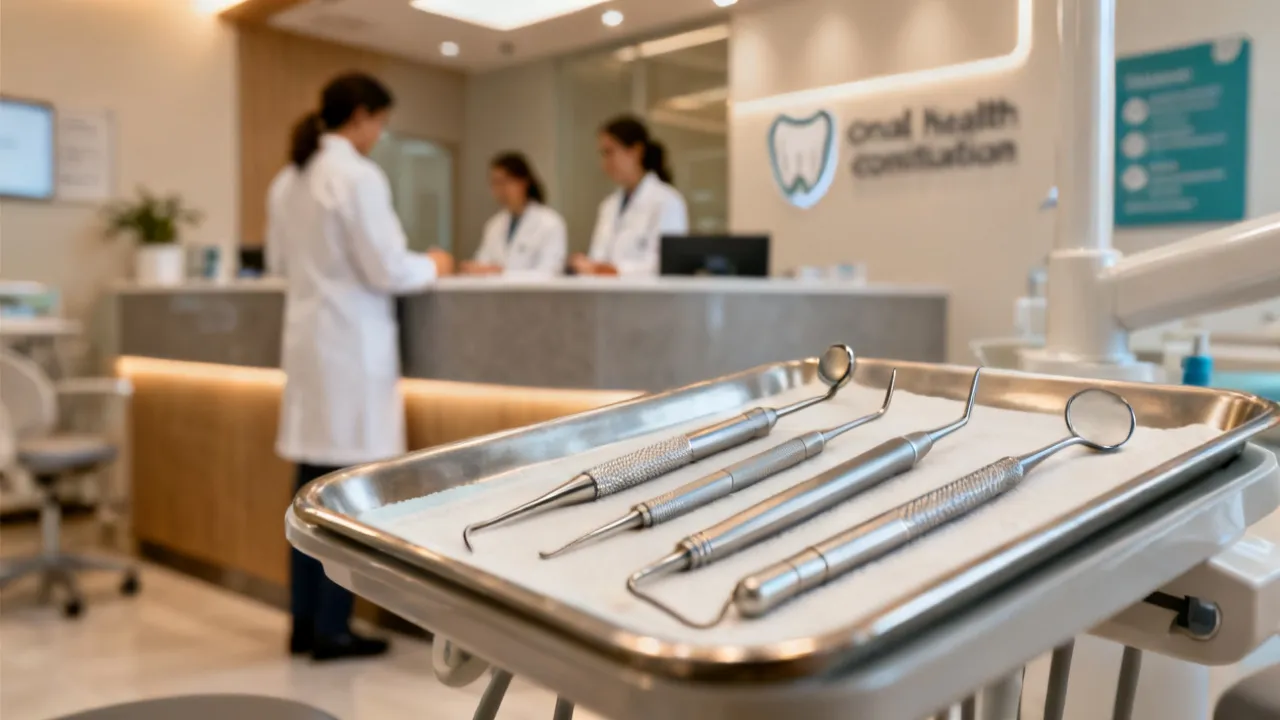
1) The critical decision: choose a clinic that matches your care needs
Selecting a dental clinic is not just about availability—it’s about fit between your needs (routine checkups, orthodontics, restorative work, endodontics, or oral surgery) and the clinic’s clinical capabilities, hygiene protocols, and follow-up system. A well-run clinic will demonstrate transparent processes for diagnosis, treatment planning, consent, and cost communication. If you’re comparing options, focus on evidence-based practice, clear explanations, and consistent infection-control standards rather than relying on marketing alone.
To make this “fit” idea practical, consider how your situation typically falls into categories. If you mainly need prevention—cleanings, exams, cavity monitoring, and early gum care—then you’ll want a clinic that emphasizes risk assessment and regular maintenance. If you’re dealing with a specific problem—severe tooth pain, a cracked tooth, persistent swelling, or a failed restoration—your choice should reflect the clinic’s ability to diagnose precisely and intervene quickly, including whether they can provide the relevant procedure onsite or whether they’ll refer you appropriately without delay. If you’re seeking long-term change—aligners, braces, or bite correction—your clinic’s orthodontic planning quality and follow-up rigor become as important as the appliances themselves.
Another underappreciated dimension is “care continuity.” Some clinics do excellent work but lose continuity between appointments because they have inconsistent documentation, fragmented teams, or unclear handoffs between dentists and hygienists. In contrast, clinics that treat your file like a living record—where findings, imaging, and decisions are carried forward—tend to reduce repeat tests, confusion, and mismatched expectations. When you call or book, it’s reasonable to listen for whether the clinic can describe how they manage your overall care pathway, not just the procedure you’re currently requesting.
Finally, “fit” also means personal comfort and communication. Even the most technically competent clinic can become frustrating if it doesn’t explain options clearly, doesn’t respect your questions, or makes you feel rushed during consent and treatment planning. Dental anxiety is common, and clinics that handle it with structured communication (explaining steps, offering pain-control strategies, outlining what you will feel and when) often deliver smoother visits and better long-term adherence to home care.
2) What “dental clinic” typically covers (and why scope matters)
In very regions, a dental clinic is a healthcare setting where dentists and allied professionals provide oral health services. The scope can range from general dentistry—examinations, preventive cleanings, fillings, and basic restorative care—to specialty services such as:
- Endodontics (root canal treatment and complex tooth pain management)
- Orthodontics (braces, clear aligners, good alignment planning)
- Periodontics (gum health, scaling/root planing, periodontal maintenance)
- Oral and maxillofacial care (extractions, surgical assessments, trauma-related care)
From an industry perspective, the very frequent source of dissatisfaction is not “poor treatment,” but mismatched expectations—such as seeking comprehensive surgical care at a clinic that mainly offers basic restorative procedures. Before you book, verify what the clinic can deliver onsite versus what would be referred to another service provider. This is more than logistics. Scope mismatch can affect timelines, continuity of records, and how well your treatment plan is coordinated.
To see why scope matters, imagine a scenario that many patients experience: you come in for pain, the clinic performs an exam, and you may need endodontic treatment. If the clinic provides endodontics onsite, it can often move from diagnosis to therapy with fewer delays. If it does not, the clinic should still complete as much diagnostic work as possible (appropriate imaging, identification of the tooth, assessment of symptoms and bite factors) so that your referral is targeted and efficient. A responsible clinic won’t simply “send you somewhere” without summarizing findings and explaining the rationale behind the referral.
Scope also affects the range of options discussed. For restorative work, a clinic that only provides one type of filling or crown restoration may present a narrower “menu.” A clinic with broader restorative capabilities can discuss trade-offs—such as differences in durability, aesthetic considerations, tooth structure preservation, and maintenance—so you can decide with full context. Similarly, for gum problems, periodontally focused clinics may integrate more robust gum-health maintenance plans rather than treating only the most visible symptom.
Another scope-related factor is whether the clinic handles sedation or pain-management planning. Some patients feel more comfortable with local anesthesia supplemented by additional strategies (depending on regional regulations and clinical protocols). If you anticipate dental anxiety or have a complex procedure, ask early what comfort options exist, what’s available onsite, and how sedation decisions are made. A clinic that is transparent about what they can safely do—and what requires referral—is a stronger sign than one that offers “everything” without describing protocols.
Ultimately, scope matters because dentistry is not one-size-fits-all. Even within general dentistry, the quality of outcomes often depends on how well a clinic matches diagnosis, procedure selection, materials, and follow-up to the exact problem you have. When the clinic’s scope aligns with your need, your care pathway is more coherent and less likely to become fragmented.
3) Quality indicators you can verify without advanced medical knowledge
You do not need to be a clinician to evaluate whether a dental clinic is likely to deliver safe, consistent care. Prioritize practical indicators:
- Infection prevention and hygiene: Look for evidence of sterilization workflow, use of barriers, instrument handling procedures, and room readiness between patients.
- Clinical documentation: A professional clinic should maintain records of exam findings, imaging, planned procedures, and post-treatment instructions.
- Patient communication: Clinicians should explain the “why,” not only the “what”—including risks, benefits, alternatives, and anticipated timelines.
- Imaging and diagnostics: Appropriate use of dental imaging supports accurate diagnosis. The clinic should describe why imaging is needed and how results guide care.
- Follow-up planning: The top clinics schedule reassessments and provide clear guidance on symptoms, hygiene routines, and expected recovery.
Let’s expand these indicators into more observable behaviors, because “quality” is often visible in small operational details. Infection control, for example, isn’t only about whether tools are sterilized. It’s about whether the clinic has a structured approach: how instruments are transported to sterilization, how they are organized and labeled, whether there are clear “clean” and “dirty” zones, and how staff handle gloves, masks, and protective barriers. While you may not see the internal sterilization logs in every clinic, you can still notice whether surfaces are wiped down, whether the room looks reset between patients, and whether staff follow consistent protective procedures.
Clinical documentation is another area where you can gauge quality without medical expertise. During your visit, you can ask what they documented and what it means. A strong clinic will answer without becoming defensive. They should be willing to explain key findings (like areas of decay, gum measurements if applicable, or observations about bite alignment). If the clinic provides written aftercare instructions and a follow-up plan, that’s a practical marker that they treat your case as more than a one-off appointment.
Communication quality can be assessed by how the clinic responds to uncertainty. If you ask a question and the response is vague or dismissive, that’s a signal. In contrast, clinicians who understand patient anxiety will often slow down and provide a structured explanation: what they see, what it suggests, what they recommend next, what could happen if you delay, and what alternatives exist. Even if you don’t fully understand dentistry, you should be able to grasp the logic behind the plan.
Imaging is not always needed for every scenario, but when it is recommended, the explanation matters. For example, if a clinic proposes a crown or endodontic treatment, imaging helps confirm extent of disease, location of canals, proximity to structures, and whether other teeth are contributing to symptoms. A clinic that uses imaging judiciously and explains how it affects decision-making is demonstrating diagnostic reasoning. If imaging is suggested without context—“we just take pictures”—that may be a less reliable sign.
Follow-up planning is often where a clinic’s organization shows. For many procedures, you need a recheck—either to confirm healing, manage discomfort, adjust a restoration, or monitor for recurrence. The best clinics don’t rely solely on you to “come back if needed.” They set a structured follow-up and provide specific guidance: what’s expected during healing, what would be concerning, and how to contact the clinic if symptoms deviate from what they predicted.
Additionally, consider staff professionalism. A calm, respectful environment—where staff answer calls clearly, confirm appointments correctly, and handle paperwork efficiently—often correlates with better workflow reliability. While this is not a scientific guarantee, it’s part of the “human system” that influences patient experience and adherence to protocols.
4) Pricing transparency: how to compare dental costs responsibly
Dental costs can vary widely due to procedure complexity, materials used, clinician expertise, regional cost structures, and insurance arrangements. Instead of relying on vague “cheap vs. expensive” comparisons, evaluate whether the clinic provides an itemized estimate and whether it separates:
- Diagnostic steps (exam, imaging if needed)
- Procedure steps (for example, filling types or crown materials)
- Ancillary services (cleaning, sedation assessment if applicable)
- Follow-up care (rechecks, adjustments)
Industry note: Many healthcare systems emphasize “informed consent” and clear cost communication. If an estimate cannot be explained, that is a signal to ask more questions. A clinic that is confident in its planning should be comfortable walking you through what drives price differences.
To compare pricing responsibly, ask for a written estimate (not only a verbal range). Then examine whether it aligns with the scope of care you actually need. A common mistake is comparing the “headline” number while ignoring what’s included. For instance, two clinics may both offer a filling, but one clinic’s estimate might include imaging, numbness planning, specific material selection, and a post-procedure recheck—while the lower-priced option may omit one or more of these elements. The result could be similar treatment in the short term, but different outcomes and follow-up needs in the long term.
It’s also useful to ask whether the estimate is conditional. Many dental treatments depend on findings that become clear only during exam or after imaging. If the clinic provides a conditional estimate, they should clearly state what additional findings could change the cost and how they will inform you before proceeding. A responsible clinic doesn’t surprise patients with “additional charges” without prior discussion.
Look carefully at material and technique differences, because they often explain cost variations. For example, crown materials can differ (metal-based, ceramic options, hybrid approaches) and so can preparation technique and margin design. A high-quality clinic will connect these differences to your clinical situation: tooth strength, gum line, aesthetic zone, bite forces, and the long-term maintenance expectations.
Another pricing factor is the number of visits. Some treatments can be completed in a shorter sequence while others require staged procedures. If one clinic’s plan requires multiple visits, it may be because they are taking a cautious approach or because additional steps are clinically necessary. Patients often want speed, but speed without rationale can be risky. The best way to evaluate speed is to ask: “Why is this staged, and what do we gain from each step?”
Also consider whether the clinic charges separately for common follow-up needs like post-operative evaluations, adjustments, or minor corrections. If you’re offered an “all-inclusive” plan, ask what counts as included. If you’re on a limited budget, you can still make a financially responsible decision by clarifying what happens if symptoms persist or if a restoration requires adjustment.
Finally, remember that “lowest cost” is not always “best value.” Dentistry includes elements of clinical judgment, infection control, equipment quality, and follow-up systems. When comparing prices, aim to compare like with like: same diagnosis, similar scope, similar materials, and similar follow-up. That approach will help you avoid spending less upfront but more later due to avoidable complications.
5) Supplier and equipment considerations (what matters, and what doesn’t)
You may see clinics mention specific suppliers for materials—such as restorative composites, dental crowns, implants, or impression systems. Supplier detail can be useful, but only if it connects to safety, quality controls, and documented product standards. A critical evaluation approach is to ask:
- Which materials are planned and why they’re appropriate for your case?
- Are there documented product specifications and quality control steps?
- How does the clinic manage compatibility between materials, techniques, and imaging outcomes?
In practice, reputable clinics treat material selection as a clinical decision—not a marketing claim. If the supplier is mentioned, request the clinical rationale and how the product supports good outcomes for your situation.
To expand on this, it helps to distinguish between “brand talk” and “clinical reasoning.” Some clinics list suppliers as if the name alone guarantees quality. However, quality in dentistry depends on how the material is used: correct isolation technique, proper bonding protocols, correct curing and handling methods, appropriate preparation and finishing, and a restoration design that matches tooth and occlusion mechanics.
When clinics use specific products—especially for crowns, implants, or adhesive restorations—they should explain how those products fit your diagnosis and anatomy. For instance, if you’re receiving a crown, the clinic should discuss why the chosen material is appropriate for the location in your mouth (molar vs. front teeth), whether aesthetic demands matter, and how the crown margins will be managed to maintain gum health. If you’re getting orthodontic aligners, the clinic should explain how they plan scans, how they track progress, and what happens if tooth movement deviates from the predicted path.
For dental implants, supplier references may matter more, but still they do not replace clinical decision-making. You should ask what implant system is used, why it was chosen, what bone considerations were evaluated, and what imaging was used to guide placement. Also ask how the clinic plans for post-placement monitoring and prosthetic integration. The implant system is part of the story, but follow-up quality often determines long-term success.
For impression systems—digital scanners or conventional impressions—supplier matters less than workflow consistency. Digital scanning quality depends on technique, proper scan strategy, and how the clinic integrates scan data into the design and fabrication pathway. Conventional impression quality depends on correct material handling, adequate tray selection, and accurate bite registration. In both cases, the clinic should explain the process in a way that aligns with your clinical needs.
Equipment considerations can include sterilization systems (autoclaves and validated cycles), dental chairs and suction systems, imaging devices, and even radiographic technique and positioning. Patients can’t fully validate the technical performance of equipment, but they can look for signs of modern practice: clear imaging procedures, well-maintained units, and consistent adoption of updated workflow steps (like using digital imaging when appropriate or keeping records organized). More importantly, the clinic should demonstrate quality assurance habits: verifying equipment readiness, maintaining calibration where applicable, and applying standard infection-control steps.
What doesn’t matter as much is how fancy the clinic looks from the outside. A clinic can have new décor but still have poor workflow or inadequate infection-control practices. Conversely, an older clinic may be clean and well-organized if infection control and documentation are strong. Your best evaluation strategy is to look for consistent evidence: sterilization workflow, documentation habits, diagnostic reasoning, and follow-up systems.
If you’re concerned about materials due to allergies, sensitivities, or past reactions, communicate this early. A responsible clinic will record your concerns, ask relevant questions, and adjust material selection or bonding strategy accordingly. The clinic should treat your preferences as part of safe clinical planning rather than as obstacles.
6) Step-by-step: how very responsible dental clinics manage a new patient
Although every clinic’s workflow differs, high-quality care usually follows a disciplined sequence. From an expert standpoint, consistency in steps helps reduce errors and improves patient understanding.
- Initial consultation and medical history review: Review medications, allergies, prior dental experiences, and relevant medical conditions.
- Oral examination: Evaluate teeth, gums, bite, and soft tissues for signs of disease or risk factors.
- Diagnostics and imaging (as needed): Use appropriate imaging to confirm suspected issues and guide treatment planning.
- Treatment plan discussion: Present options, including benefits, limitations, and alternatives. Timing and sequencing should be clearly explained.
- Consent and scheduling: Confirm the scope, expected outcomes, and the patient’s consent before starting.
- Procedure delivery with documentation: Record clinical findings and procedure notes. Maintain hygiene and safety protocols.
- Post-treatment instructions and follow-up: Provide recovery guidance, symptom monitoring, and a recheck schedule.
Let’s expand each step with what you can look for as a patient and what responsible clinics typically do behind the scenes. During the initial consultation and medical history review, clinicians often ask detailed questions about medications (especially blood thinners, steroids, immunosuppressants), allergies (including to anesthetics or antibiotics), and medical conditions (diabetes, cardiac history, respiratory issues). A thoughtful clinic may also ask about recent illnesses, smoking status, and whether you’ve had any significant changes in health since your last dental visit. The goal is to avoid medication interactions, adjust infection-risk precautions, and plan appropriate comfort strategies.
In the oral examination, high-quality clinics don’t just look at teeth. They examine gums and soft tissues, check for signs of inflammation, evaluate bite alignment and functional habits, and assess risk factors that predict future problems. They should also check for hidden issues—like periodontal pockets, areas of decay not visible to the naked eye, or restoration margins that may be failing. While you may not understand every detail, you should notice whether the clinician explains what they see and how it relates to your symptoms or health goals.
Diagnostics and imaging should follow clinical reasoning. If a clinic recommends imaging, it should explain what they’re looking for and how it affects the diagnosis. For example, if you have pain in one tooth, imaging helps confirm whether the pain is associated with decay, nerve involvement, or an adjacent issue. For gum concerns, imaging and clinical probing help estimate disease extent and shape a periodontal treatment plan. Responsible clinics aim for the “right imaging” rather than “more images.”
Treatment plan discussions should include not only what procedure is planned but why it’s the best match for your condition. The discussion should often include at least two paths: a recommended option and an alternative option. If there are trade-offs—like longevity, cost, aesthetic outcomes, or number of visits—the clinic should explain them. If you’re choosing among options, consent becomes more meaningful because it is informed by understanding, not simply agreement.
Consent and scheduling should clarify expectations. This includes whether you need temporary restorations, the number of visits, the anticipated timeline for healing, and what symptom changes should be expected. If the clinic provides a written treatment summary, that is helpful. The clinic should also confirm that you understand what will happen on the appointment day and what you need to prepare (for example, whether to eat beforehand, whether to adjust medication timing, or what comfort strategy will be used).
Procedure delivery with documentation is where safety systems show. A responsible clinic maintains hygiene protocols, uses appropriate protective barriers, and adheres to sterilization procedures. Documentation should include key findings and procedure notes. While you might not read these notes, you benefit from them because they guide future care decisions. If the clinic doesn’t document adequately, future clinicians may repeat exams or misinterpret your case history.
Post-treatment instructions and follow-up are not “extras.” They are part of the clinical outcome. Responsible clinics provide written instructions and explain expected sensations, warning signs, and who to contact if something feels wrong. For example, after certain treatments, some discomfort is normal, but severe pain, swelling, fever, or worsening symptoms may indicate complications that require urgent reassessment. A well-run clinic gives clear thresholds and contact methods.
A further sign of responsibility is how the clinic handles uncertainty. If they cannot predict an outcome with certainty, they should communicate that. Dentistry involves biological variation, so responsible clinicians set realistic expectations and create contingency plans.
When you combine these steps, you get a clinic experience that is not random. It is structured, documented, and planned around your safety and understanding. That structure is one of the strongest predictors of a smoother dental journey.
7) Common patient concerns—and how clinics should address them
Many people hesitate when deciding on a dental clinic. A professional environment reduces anxiety through predictable communication and practical support.
- Pain and comfort: The clinic should discuss pain management approaches and what sensations are expected during and after treatment.
- Longevity and maintenance: Ask about maintenance intervals and what habits influence outcomes (home care, smoking status, diet patterns).
- Repair vs. replacement decisions: A good clinic distinguishes between monitoring, repair, and full replacement based on diagnosis rather than convenience.
- Risk factors: For gum disease, cavities, and recurring issues, risk-modifying strategies should be integrated into the care plan.
Let’s address each concern in more depth with examples of how responsible clinics typically respond. Pain and comfort is often not only about pain during the procedure. It’s also about what you feel afterward and how the clinic manages that. A strong clinic will explain what the numbness should feel like, whether you might have temporary sensitivity, and which symptoms are expected versus concerning. They may also discuss comfort strategies like topical anesthetics, controlled local anesthesia delivery, gentle technique, and—where appropriate—additional anxiolytic options. They should also clarify whether you will receive a plan for post-treatment pain control and what to do if pain is not improving as expected.
Longevity and maintenance should be discussed before treatment. If you’re receiving a restoration, you should know how long it might last under typical conditions, what factors influence that lifespan, and what maintenance schedule the clinic recommends. Longevity depends on many variables: plaque control, flossing habits, diet acidity frequency, smoking, clenching or grinding, and the health of surrounding gums. A responsible clinic connects your personal risk profile to the plan. For example, if you have recurring cavities, they might recommend fluoride regimens, sealants for susceptible teeth, changes to home care technique, and more frequent preventive monitoring.
Repair vs. replacement decisions reveal whether a clinic practices conservation. A responsible approach often includes assessing whether existing restorations can be repaired by removing defective margins or sealing localized decay. Replacement might be necessary if the restoration is failing extensively or if underlying disease is present. A clinic that reflexively replaces restorations—without thorough diagnosis—may be offering convenience rather than ideal clinical care. If you ask whether your existing restoration can be repaired or monitored, the clinic should provide diagnostic evidence and rationale.
Risk factors are where preventative dentistry becomes real. If you have gum disease risk, a clinic should not only treat the current inflammation but also plan for periodontal maintenance. If you have high cavity risk, they should incorporate caries-prevention strategies into your plan. Risk modification may include improved home care instructions, professional cleaning schedules, fluoride recommendations, diet counseling, and—depending on your clinical situation—additional preventive treatments. Responsible clinics treat prevention as ongoing care rather than a one-time event.
Another patient concern worth noting is fear of “over-treatment” or overtreatment pressure. Some patients worry that clinics will recommend unnecessary procedures. While individual situations vary, a responsible clinic reduces this concern by explaining diagnoses clearly, offering alternatives, and discussing what happens if you delay. If they can justify recommendations with clinical findings and evidence-based reasoning, the patient’s uncertainty usually decreases.
Patients also worry about the “process” itself: how long appointments will take, how many visits will be required, and what will happen step-by-step. Good clinics answer these questions transparently and often provide a timeline. For multi-visit plans like crowns or root canal therapy, the clinic should explain what each appointment accomplishes and what you can expect between visits (temporary restoration care, symptom monitoring, dietary restrictions).
Lastly, clinics should support patients who have dental anxiety. This may include offering shorter “breaks” during procedures, explaining each step before it happens, checking in with the patient’s comfort during treatment, and creating a plan that prioritizes patient control. The clinic’s willingness to accommodate anxiety and to communicate proactively can have a direct impact on how successful treatment will be.
8) Comparison table (clinically oriented) for choosing the right clinic
| Evaluation area | What a strong clinic typically demonstrates | Conditions / requirements to confirm |
|---|---|---|
| Accreditation and professional governance | Clear professional credentials and adherence to local clinical standards | Request the practice’s relevant licensing/registration details and ask who is responsible for supervision |
| Infection control workflow | Documented sterilization and instrument handling between patients | Ask how instruments are cleaned, sterilized, and stored; observe whether protocols appear consistent |
| Diagnostics and imaging | Imaging used when clinically indicated, with results tied to the plan | Confirm why imaging is recommended and how it influences decisions for your specific case |
| Treatment planning | Options presented with expected outcomes, timelines, and trade-offs | Request itemized plan summaries and clarify what changes if symptoms worsen or progress |
| Pricing clarity | Written estimates that separate diagnosis, procedure, materials, and follow-up | Ask whether estimates are firm or contingent on findings; confirm what “included” means |
| Material selection and supplier transparency | Materials chosen for clinical suitability with documented product standards | Ask which materials are used, why they’re selected, and what alternatives exist for your situation |
| Patient follow-up | Structured rechecks and clear post-care instructions | Confirm follow-up timing and what symptoms require urgent contact |
To use this table effectively, don’t treat it like a checklist where one weak area is automatically disqualifying. Instead, treat it as a prioritization tool. If you find a clinic that scores strongly on infection control, documentation, and diagnostics, but has minor communication gaps, you may be able to address those gaps through questions and by setting expectations. However, if infection control seems inconsistent or if the clinic struggles to explain basic diagnosis and follow-up planning, that is a more significant red flag because it affects safety and continuity of care.
When comparing clinics, consider how you would respond to “test questions.” For example: “Can you show me what you found and explain why you recommend this?” A strong clinic will answer. Another “test question” is: “What should I do if I have persistent pain after the procedure?” A clinic with robust follow-up systems will provide clear instructions. The table items help you identify whether the clinic can answer these questions with confidence.
You can also ask whether the clinic has standardized protocols for common procedures. For example, for fillings, a clinic may follow standardized steps for isolation, material handling, and finishing. For crowns, they might have protocols for shade matching, preparation design, impression quality, and temporary crown management. While you won’t see every step, you may be able to sense the presence of these protocols through how consistently the clinic explains their process.
9) Sources and benchmarks (objective background)
When discussing dental clinical safety and infection control, widely recognized references include guidance published by public health agencies and dental professional bodies. For example, infection prevention principles are commonly aligned with recommendations such as those from the U.S. Centers for Disease Control and Prevention (CDC) and the World Health Organization (WHO) on standard precautions. For patient consent and safety expectations, healthcare governance frameworks in many countries emphasize informed consent and documentation. For general dentistry risk guidance and oral health prevention framing, professional associations such as the American Dental Association (ADA) publish evidence-based patient resources. For background on oral health burden and prevention approaches, the World Health Organization (WHO) has also published global oral health reports.
Reference note (for readers who want to verify): You can consult CDC infection control guidance, WHO oral health materials, and professional dental association guidance (e.g., ADA patient education materials) to review how standard precautions and prevention strategies are described in evidence-based terms.
It can also help to understand the “why” behind these benchmarks. Infection prevention in dentistry is not only about protecting patients from infections—though that’s critical—it also protects staff and reduces cross-contamination risk. Standard precautions typically include concepts like hand hygiene, appropriate personal protective equipment, respiratory hygiene, safe instrument handling, and sterilization/disinfection practices based on the risk classification of instruments. In practice, the clinic’s workflow should align with these principles.
Patient consent frameworks exist because treatment should be based on informed understanding, not only clinical authority. Informed consent generally involves explaining the diagnosis, the proposed treatment, alternatives, risks and benefits, and expected outcomes. While the exact legal requirements vary by region, the underlying ethical principle remains consistent: patients should understand what is being done to them and why.
Prevention and oral health guidance from major organizations often emphasizes risk-based care rather than uniform schedules. This is why the best clinics tailor follow-up intervals, cleaning frequency, and preventive strategies based on factors such as cavity history, gum health, diet, smoking status, and oral hygiene technique.
When you choose a clinic using these benchmarks, you’re aligning your decision with principles that have been developed and refined by large bodies of evidence and professional consensus. Even if you don’t read all the guidance yourself, the clinic should be able to demonstrate behaviors consistent with those benchmarks: hygiene protocols, documentation, clear explanations, and risk-based preventive planning.
10) FAQs
FAQ 1: How do I compare dental clinics if prices differ?
Ask for an itemized written estimate that separates diagnostics, procedure scope, material choices, and follow-up. Confirm whether the estimate is conditional on exam findings. A “lower total” price is not necessarily a better value if it omits diagnostics, uses different materials, or lacks follow-up care.
In addition, compare the timeline. If one clinic can finish sooner, ask why. If the quicker plan includes fewer safety steps or less follow-up, it may not be a genuine advantage. If two clinics both provide written estimates but one includes a detailed diagnostic workup and structured follow-up, that often reflects better value rather than higher cost alone.
FAQ 2: What questions should I ask during the first visit?
Request the diagnosis basis (what findings led to the plan), ask what alternatives exist, and clarify expected outcomes and timelines. Also ask how the clinic manages discomfort and what the follow-up schedule looks like.
If you want a simple “script” to follow, you can ask: “What exactly is causing my symptoms?” “How confident are you in the diagnosis, and what evidence supports it?” “What happens if I choose not to treat now?” and “What are the risks and benefits of the options you recommend?” These questions promote informed consent and reduce uncertainty.
FAQ 3: Are specialty clinics always better than general dentistry?
Not always. For routine preventive care and many common restorative needs, general dentistry is appropriate. Specialty care is typically preferred for complex cases—such as difficult endodontic scenarios, advanced orthodontics, or specific surgical needs—when specialized expertise and facilities are required.
However, the key is coordination. A good general dentist may refer thoughtfully and share records with a specialist, or they may handle a complex procedure if they have the appropriate expertise and facilities. The best choice depends less on the label “general” versus “specialty” and more on whether the clinic can correctly diagnose and treat your specific condition.
FAQ 4: What should I look for regarding hygiene and sterilization?
Look for consistent instrument sterilization workflow, clean operator practices, and room readiness between appointments. You can also ask the clinic to explain how instruments are processed and how single-use items are handled.
If you notice staff handling instruments inconsistently, rushing barrier setup, or leaving surfaces visibly unreset between patients, those are concerns. A clinic that takes hygiene seriously tends to look and feel organized: there are clear steps, consistent protective barriers, and attention to cleanliness.
FAQ 5: Can I request specifics about materials and suppliers?
Yes. A responsible clinic should describe which materials are planned (for example, restorative or crown materials), why they are appropriate, and what documented quality standards apply. If a supplier is mentioned, ask how that choice connects to your clinical needs.
You can also ask about maintenance expectations: “How do I maintain this restoration?” “What habits reduce longevity?” and “What symptoms would indicate it’s failing?” Materials are only part of the long-term equation, and the clinic should connect product choice to patient instructions.
FAQ 6: How often should I have preventive checkups?
Preventive intervals vary based on risk factors such as history of cavities, gum health, diet, and oral hygiene habits. A clinic should tailor a schedule rather than apply a single fixed interval to every patient.
If your risk is high, you may benefit from more frequent monitoring, including targeted preventive interventions. If your risk is low, you may be able to maintain a longer interval with proper home care. A good clinic will explain why they choose the interval they recommend.
FAQ 7: What if my symptoms worsen after treatment?
Ask the clinic beforehand what symptoms warrant immediate contact and where you should be directed for urgent assessment. Clear post-treatment guidance is a key marker of a well-organized practice.
Also ask whether there is an after-hours contact pathway or an emergency protocol. When complications occur, timely reassessment can influence outcomes. A clinic that provides clear escalation steps is easier to trust.
FAQ 8: Does the clinic’s location matter for care quality?
Location can affect convenience for follow-ups and emergency support. However, quality indicators—such as clinical documentation, infection control, diagnostics, and transparent treatment planning—matter more than distance alone.
A nearby clinic is practical if you need frequent rechecks, but distance shouldn’t prevent you from choosing a clinic that demonstrates stronger clinical fundamentals. If you prioritize quality and plan for follow-ups in advance, distance becomes a manageable factor rather than a deciding one.
11) Closing guidance: make a decision you can defend
In an industry where outcomes depend on careful diagnosis, consistent hygiene, and well-communicated planning, the top way to choose a dental clinic is to base your decision on verifiable standards and a clear clinical match to your needs. If you take time to ask targeted questions—about workflow, diagnostics, materials, follow-up, and pricing structure—you reduce uncertainty and improve the likelihood of a smoother treatment experience.
To “defend” your decision means you should be able to explain why you chose the clinic you did using concrete reasons. Perhaps it had stronger infection-control practices, clearer itemized estimates, better follow-up planning, or a treatment plan that addressed your risk factors. When you can identify those reasons, you can feel more confident even if treatment involves multiple steps or if results take time to fully stabilize.
Also remember that a good clinical relationship is not only about the first visit. The best outcomes often come from consistent care: preventive checkups, timely maintenance, and clear communication if symptoms change. Choosing a clinic that supports ongoing risk-based dentistry gives you a long-term advantage.
In the end, trust is earned through behavior: careful diagnosis, respectful communication, safe hygiene workflow, transparent planning, and dependable follow-up. Use those criteria to guide your decision, and your time and resources will be more likely to translate into healthy, stable oral health.
-
1

A Guide to Cost-Efficient Small Electric Cars for Seniors
-
2
Mastering Debt Consolidation: Boost Your Credit Score and Manage Interest Rates
-
3
Your Guide to Loans, Credit Checks, and Interest Rates
-
4
Affordable Independent Living: Finding the Right Senior Housing
-
5
Guide to Senior Living Apartments: Affordable and Comfortable Environments