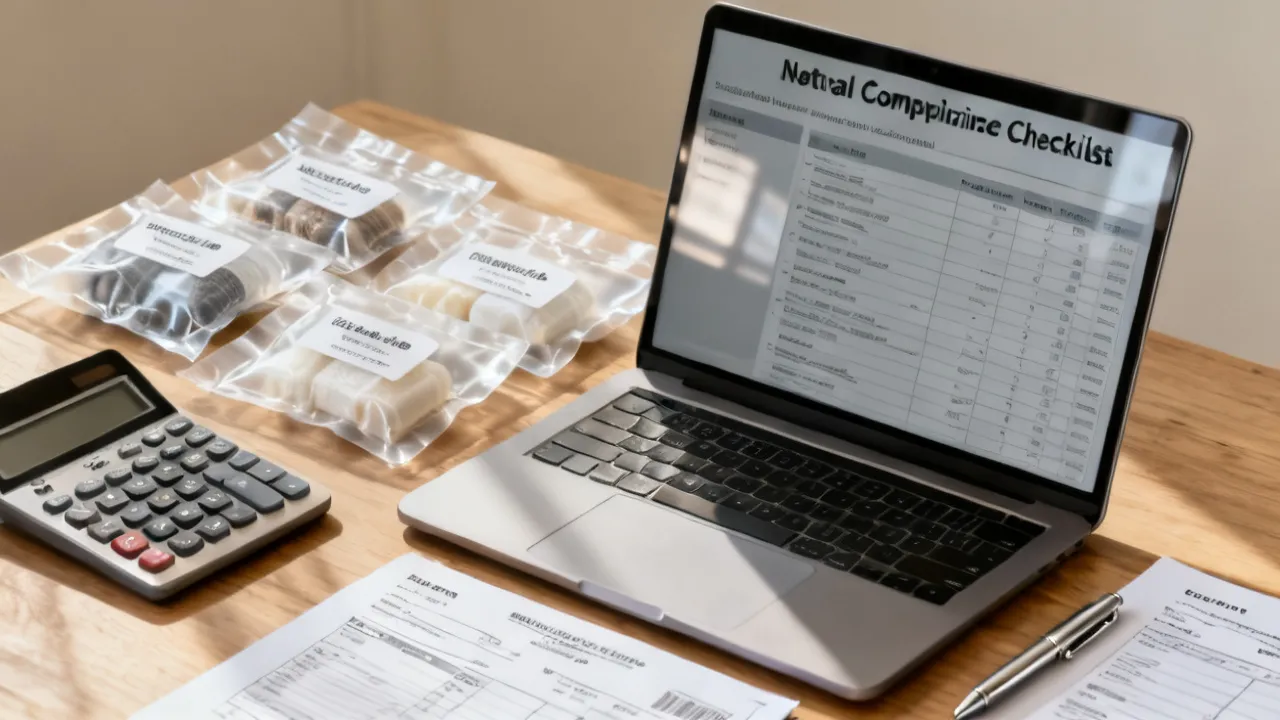
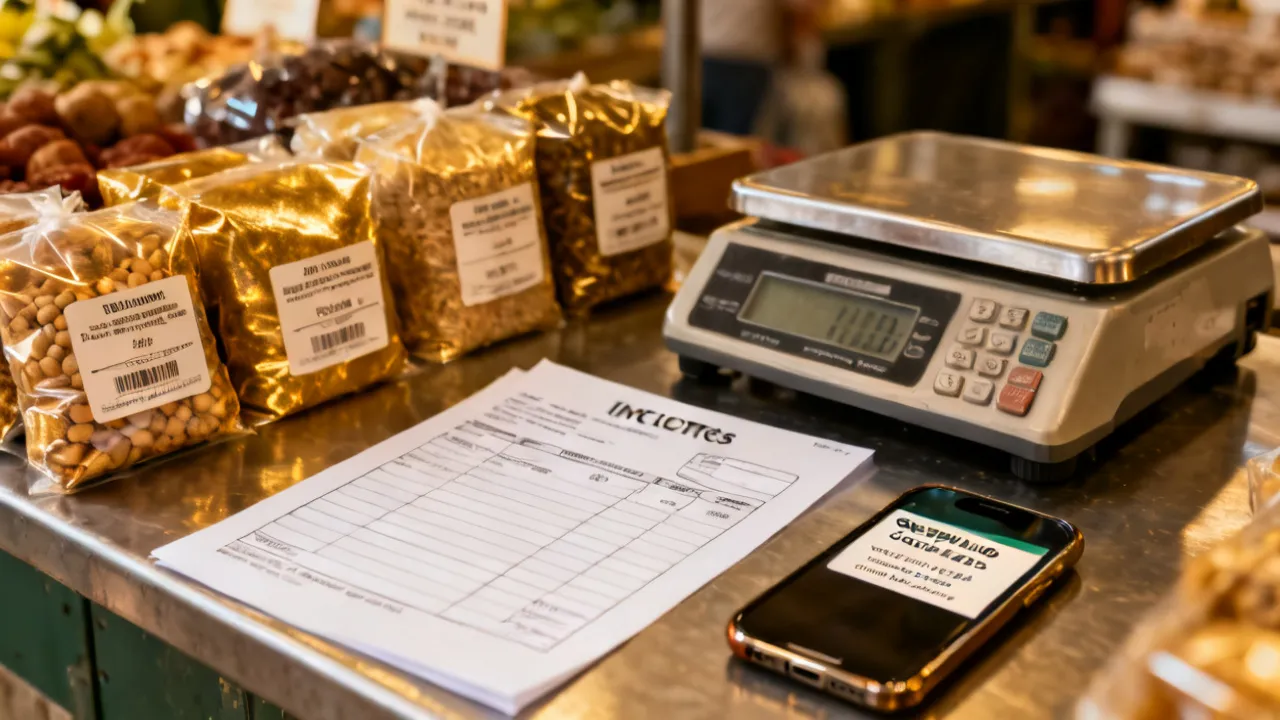
Understanding Service Contact Details and Procurement Flow
This guide explains how to evaluate and use service contact details and procurement references safely and efficiently, with a focus on the number “04365643355” and related identifiers. It offers objective background on why clear supplier communication matters, what to verify before purchase, and how to document requirements to reduce mismatches or delays.
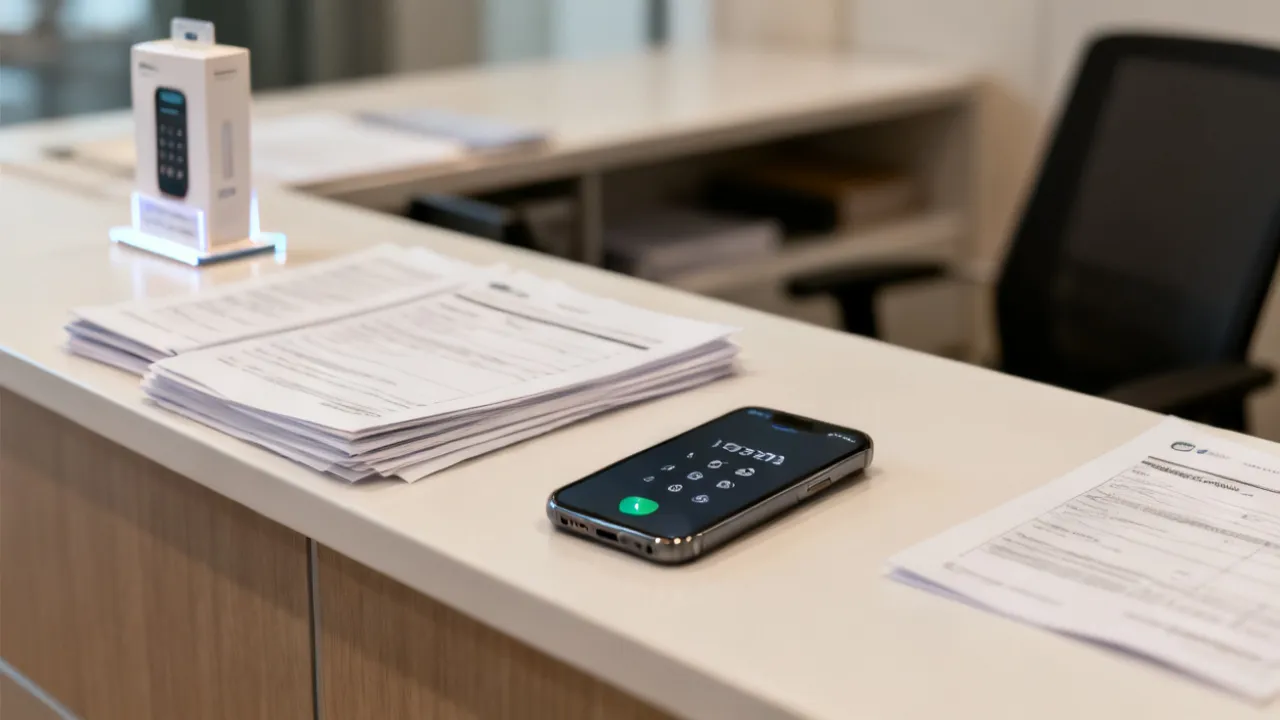
Critical starting point: Verify the identifier “04365643355” before any commitment
When you see a service or supplier reference like 04365643355, treat it as an operational lead—not a finished guarantee. The practical goal of this guide is to help you use such contact details responsibly: confirm the business, clarify the scope of work, confirm pricing expectations, and document next steps so you can avoid miscommunication and procurement errors.
Because the provided keywords include 04365643355 and additional placeholder keyword text, the most reliable approach is to focus on process and verification rather than speculative claims. This is especially important when identifiers may be used across multiple offerings, offices, or service tiers.
In real procurement environments, the risk isn’t only that the number is “wrong.” The more common issue is that the number routes to a correct company, but not the correct department, not the correct location, and not the correct service line that you actually need. Sometimes the number is associated with one branch that handles sales, while fulfillment is performed by another branch that handles scheduling and deliveries. In other cases, the same phone number may be used for emergency dispatch, while quotes for standard work are prepared by a different team. Your first task is therefore to determine what the identifier truly represents in operational terms.
That means your first action should be a controlled verification conversation. You don’t need to distrust anyone—you simply need to prevent avoidable procurement failures by making sure each requirement is confirmed by the supplier and captured in a reliable format (typically a written quote or an email summary).
To make this practical, you can treat the identifier as the first “link” in a chain:
- Link 1: The number connects you to a real business entity and the correct service channel.
- Link 2: That business entity offers the category you’re requesting.
- Link 3: The offered category matches your specific requirements (scope alignment).
- Link 4: The price quote is complete, conditional, and expressed in comparable structure.
- Link 5: The timing and operational feasibility are documented.
- Link 6: The written confirmation matches what was discussed on the call.
If any link fails, you adjust before paying or committing. This guide is designed to help you keep those links intact.
Why service contact details become a procurement gate
In most industries—construction services, logistics, facility maintenance, professional supplies, and many trade categories—contact details are the first step in a supply chain “handshake.” A phone number or supplier identifier typically triggers four decisions:
- Eligibility: Does the supplier actually serve your location (“nearby”) and meet the required standards?
- Scope alignment: Are you requesting the same product or service description the supplier offers?
- Commercial clarity: What are the price components (labor, materials, taxes, delivery, installation, compliance fees)?
- Operational feasibility: When can work start, how long it takes, and what documentation is needed?
Even if you already know the supplier name or category, the identifier (here, 04365643355) is valuable only when it reliably links to the correct entity and the correct offering. That’s why procurement professionals rarely treat a phone number as proof; they treat it as a pointer to confirm identity and capabilities.
It’s helpful to understand the psychological trap that occurs when you see a contact detail. People tend to interpret “reachability” as “readiness.” But suppliers can be reachable and still not be able to deliver the specific outcome you want—especially when scope is complex or site conditions vary.
Examples of why this matters:
- A supplier may be able to answer calls quickly but only schedule jobs after a long lead time.
- A supplier may deliver products generally but may not provide installation in your specific area.
- A supplier may offer a base service at one price level, while your request triggers a different tier due to compliance or handling requirements.
- A supplier may accept payment methods you can’t provide (for instance, some require deposits, others require invoicing only after work completion).
From a governance standpoint, the “procurement gate” is about preventing uncontrolled decisions. A procurement gate doesn’t mean you’re obstructing yourself; it means you ensure that each step has a verification basis.
Expert perspective: What procurement teams should confirm in the first call
An industry-consistent practice is to treat the first communication as a “requirements audit.” From an operations and sourcing standpoint, you want the supplier to confirm:
- Identity and coverage (company name, service area, “nearby” operational limits, and typical delivery radius if relevant).
- Scope definitions (exact SKU/spec, installation/handling requirements, warranty terms, and what is included vs. excluded).
- Pricing structure (line items rather than a single vague figure) and whether the quoted amount changes with quantity or site conditions.
- Timing (lead time, scheduling windows, and whether materials must be sourced on-demand).
- Compliance and documentation (invoices, receipts, quality documents, safety statements, or any required certifications).
This approach reduces the most common failure mode: paying for assumptions. A number like 04365643355 can connect you quickly, but it cannot substitute for written confirmation. Procurement teams know that if something can shift, it will shift—unless you document how it will be handled.
To make the first call more effective, you can use a simple structure. Ask questions in a sequence that mirrors how contracts and job execution typically work:
- Start with identity: “Can you confirm the company name and the branch or service center that will handle my request?”
- Confirm eligibility: “Do you serve my location and can you meet the expected timeline?”
- Confirm scope: “What exactly is included in your service? What do you exclude?”
- Confirm price logic: “How is pricing calculated—unit basis, labor/material split, and any surcharges?”
- Confirm documentation: “What written documents will I receive—quote, invoice, warranty terms, delivery notes, acceptance checklist?”
- Confirm next steps: “What is the process to finalize the order and lock the schedule?”
This style of questioning is less about interrogation and more about creating clarity. When a supplier answers these items consistently and provides a path to written confirmation, it becomes far safer to proceed.
How to use “pricing information” without risking mismatches
You requested integration of price information, supplier details, and location-specific content. However, your provided dataset does not include a specific numeric price, currency, or named supplier. Therefore, the responsible way to proceed is to explain how pricing should be interpreted and validated when such details are provided in a real quote, invoice, or message.
From an expert procurement lens, “price” should be treated as a structured quotation with conditions, not as a single statement. Ask for:
- Unit basis (per item, per hour, per square meter, per shipment, per job).
- Inclusions (materials, labor, delivery, testing, installation, maintenance).
- Exclusions (permits, travel surcharges, disposal fees, extra visits, change orders).
- Validity period (how long the quote holds).
- Taxes and fees (and whether they are already included).
Pricing mismatches usually happen for one of three reasons:
- Scope mismatch: You thought you were purchasing “A,” while the supplier priced “A with defaults” or “A excluding a key requirement.”
- Time mismatch: The quoted price assumed a specific delivery date or stock availability. If timing changes, pricing can change.
- Site-condition mismatch: Even a small site detail can change labor time, installation requirements, or compliance steps.
When price components are unclear, the “cheapest option” frequently becomes the most expensive after change orders. Ensure your quote references the same service scope that you discussed via 04365643355 or other contact channels.
To reduce risk, you can also ask the supplier to restate the scope at quote time. A good supplier quote will contain wording like “Includes…” and “Excludes…” or a bullet list of deliverables. If the quote does not have this structure, you can request that structure explicitly.
In many procurement processes, the simplest rule is: no line-item clarity, no commitment. This does not mean you can’t take advantage of early estimates—but it does mean you should treat early numbers as provisional until you have written structure.
Industry context: Verification standards that apply across sectors
Many organizations maintain vendor verification steps to manage risk and ensure continuity. Common controls include:
- Right-party confirmation: Ensure the contact reaches the correct legal entity.
- Documented scope: Confirm the exact product/service description.
- Paper trail: Save quotes, receipts, and email confirmations.
- Payment safeguards: Use secure payment methods aligned with invoice terms.
These are not controversial or aspirational ideas—they are practical governance patterns widely used in procurement and operations. For reference on why documentation and risk management matter, see general guidance from recognized standards bodies such as ISO 9001 for quality management principles and ISO 31000 for risk management frameworks.
In everyday terms, these controls protect you from four major failure categories:
- Reputational risk: If something goes wrong, the supplier’s legitimacy and track record matter. Verification helps reduce the chance of partnering with an unreliable entity.
- Financial risk: Missing documentation leads to disputes on invoices, deposits, cancellation terms, and change-order pricing.
- Operational risk: Unclear scope causes schedule delays and extra visits.
- Compliance risk: Without correct documentation (for example, safety statements or quality records), you may be unable to demonstrate that the work met required standards.
You don’t need an enterprise procurement department to apply these principles. What you do need is discipline: ask the right questions, require written outputs, and ensure those outputs match the discussion initiated through 04365643355.
Near “nearby” coverage: What “location” should mean operationally
Your instruction includes replacing any occurrence of city or country in keywords with “nearby.” In procurement terms, “nearby coverage” should translate into concrete operational rules, such as:
- Whether the supplier can dispatch staff or deliver goods within a specified radius or time window around your site.
- Whether travel time or transport costs are included in the quoted price.
- Whether service availability differs by neighborhood or district due to scheduling constraints.
So instead of assuming “nearby” means “anything close,” ask the supplier to define the service boundary. This is the fastest way to align expectations before work begins.
In practice, “nearby” should be translated into measurable terms. Examples you can use in your call:
- “What is your delivery radius or your service radius from your base location?”
- “Do you have minimum order or minimum job size requirements within the nearby area?”
- “Is there an extra charge threshold after a certain distance or travel time?”
- “What is your typical response time for jobs in my area?”
- “Do you offer next-day service locally, or does it depend on scheduling availability?”
If the supplier provides a fuzzy answer (“we cover nearby areas”), ask follow-up questions until you get a concrete statement. That concrete statement becomes part of your evidence trail, especially if price or scheduling depends on distance.
Practical checklist: From contact call to confirmed order
If you want a dependable outcome, convert your communication around 04365643355 into a structured workflow. Below is a step-by-step sequence that mirrors how experienced teams operate.
Step-by-step guide and operational conditions (comparison table)
| Stage | What to do | Key requirement / condition | Why it matters |
|---|---|---|---|
| 1. Initial contact | Call or message using the provided identifier (e.g., 04365643355) and confirm the organization identity and service scope. | Supplier should clearly state company name, service area covering “nearby,” and the specific offering category. | Prevents contacting the wrong entity or mismatched service tier. |
| 2. Scope clarification | Describe your needs precisely (quantity, specifications, timeline, and site constraints). | Supplier confirms inclusions/exclusions and any required site measurements. | Reduces change orders and delays caused by missing requirements. |
| 3. Pricing validation | Request a line-item quote and ask how pricing changes with quantity, delivery method, or timeline. | Quote should indicate taxes/fees and validity period. | Ensures you can compare quotes apples-to-apples. |
| 4. Documentation | Ask for confirmation in writing (quote, invoice draft, or email summary). | Order confirmation aligns with the agreed scope and price terms. | Creates an evidence trail for accountability. |
| 5. Scheduling | Confirm start date, lead time, contact person, and day-of procedures. | Supplier states readiness requirements (access times, permits, or materials needed). | Avoids no-shows and rescheduling costs. |
| 6. Delivery/performance | Verify delivered items or completed service against the scope before final acceptance. | Document acceptance steps, receipts, and any warranty/maintenance terms. | Ensures quality and helps resolve post-service issues. |
Common pitfalls when using contact identifiers
Even when the contact number is correct, the process can still fail. Here are common pitfalls to avoid:
- Assuming “same number = same service”: Some suppliers rotate departments; the number may connect to different branches.
- Relying on verbal-only price: Without a written quote, “final” price may shift due to unmentioned conditions.
- Skipping scope definitions: If your requirements are vague, the supplier may quote a default scope that doesn’t match your actual need.
- Ignoring payment terms: Some invoices require deposits; others have net terms. Confirm before ordering.
- Not asking about validity: A quote might expire quickly if materials fluctuate or if labor costs change.
- Not defining acceptance criteria: If you don’t confirm how work is “accepted,” you may face disputes later.
The point is not to distrust suppliers—it’s to manage operational complexity. A disciplined verification process around 04365643355 is simply good practice.
To make this actionable, consider adopting a “single source of truth” document. Each time you speak with the supplier, update one document (notes file, spreadsheet, or procurement checklist). That document should track:
- Supplier identity and branch
- Scope summary (inclusions and exclusions)
- Price structure and validity
- Schedule and lead time assumptions
- Required documents (warranty, invoice, delivery note, safety compliance)
- Open questions and resolved answers
When you do this, you prevent the most common confusion: remembering the call differently than the supplier intended. Even if you trust the supplier, your internal clarity will protect you.
How to ask for verification without sounding difficult
One reason people hesitate to request line-item quotes or formal confirmation is fear that the supplier will feel accused or challenged. In practice, good suppliers expect questions—especially from professional customers. The key is to ask in a collaborative way that signals you want the job executed correctly.
Below are example phrases you can use when you contact the supplier linked to 04365643355:
- “Could you confirm the exact scope you’re quoting, including what’s included and what’s excluded?”
- “To make sure I budget correctly, can you provide a line-item breakdown of labor, materials, delivery, and any fees?”
- “Can you confirm service coverage for my location and whether travel costs are included?”
- “Please send your quote or an email summary so we’re aligned on terms and timing.”
- “What documentation will I receive at completion—receipt, warranty, acceptance checklist, or compliance records?”
These questions are normal in procurement. When asked politely and clearly, they help both sides. The supplier benefits because fewer disputes occur when expectations are documented early.
Building a quote comparison system: make quotes “apples-to-apples”
Even if you are working with a single supplier, you should still validate price structure and conditions. But if you are comparing multiple suppliers, “apples-to-apples” becomes essential. Without a standardized comparison format, you can end up comparing different scopes and calling it a “price difference.”
A useful quote comparison sheet includes:
- Quoted scope (what the supplier will do)
- Quoted quantities (units, sizes, measurement basis)
- Included materials (brand/spec or general description)
- Included labor (hours, number of visits, technician count if relevant)
- Delivery costs and whether installation is separate
- Taxes/fees and whether included in the total
- Quote validity date/time
- Payment terms (deposit, net terms, due dates)
- Change order policy (how additional work is priced)
- Acceptance criteria (what constitutes completion)
- Warranty/maintenance terms
When one supplier gives a single total number and another provides line items, the line-item supplier may appear more expensive simply because you don’t see what is included. That’s why you should always request an explanation of what the total covers.
If you only have an initial phone-based estimate from the contact identifier, ask: “Can you convert this estimate into a written line-item quote?” That single action often prevents budget overruns.
Timing verification: lead time is part of pricing
In many service markets, timing and scheduling are tightly linked to pricing. A supplier may quote one price for standard scheduling and a different price for fast turnaround. Therefore, when the supplier connected via 04365643355 gives a schedule, you should also ask how the timeline affects cost.
When you clarify timing, request:
- Estimated start date and what determines it (materials availability, crew scheduling, site readiness).
- Estimated duration and whether disruptions or multiple visits are expected.
- Lead time for procurement (how long it takes to source materials if not stocked).
- Rescheduling policy (fees, notice requirements, cancellation terms).
Without this information, you might accept a quote based on an optimistic timing assumption. If timing shifts, you can be charged additional dispatch fees or forced to accept different materials or labor arrangements.
Even when you cannot control all timing constraints, asking these questions helps you plan and prevents surprise charges.
Compliance and documentation: protect yourself with “evidence trail” thinking
Documentation might feel like an administrative burden, but it’s the cornerstone of resolving disputes. If something goes wrong—an invoice doesn’t match, a deliverable is missing, or performance falls short—documentation becomes the reference point.
When procuring via the supplier connected to 04365643355, request documents appropriate to the service type. Common document categories include:
- Written quote (preferably line-item)
- Order confirmation or service agreement
- Invoice (matching the agreed terms)
- Receipts for payments and deposits
- Delivery notes for shipments
- Completion/acceptance forms
- Warranty card or warranty terms
- Compliance certificates (when relevant)
For certain sectors, documentation is not optional; it is required for regulatory compliance or insurance validation. Procurement teams think in terms of “what evidence will prove that we followed the correct process.” If you have that evidence, disputes become much easier to resolve.
Also, documentation improves communication quality. When multiple people are involved (requestor, finance, site manager), written confirmation ensures everyone uses the same definitions for scope, price, and schedule.
What “scope” really means: define deliverables, not just intentions
Scope alignment is one of the hardest parts of procurement because people often describe their needs in terms of goals (“we need help with X”) rather than deliverables (“the supplier will deliver Y with these specifications”). A phone number can connect you, but scope definition is what makes procurement accurate.
To define scope clearly, you can request the supplier’s deliverables list. A deliverables list usually answers:
- What items/services will be provided
- What specifications apply
- What is included in labor and materials
- What is excluded or requires a change order
- How completion is measured
Even in informal contexts, you can use a “deliverables-first” approach. For example:
- If it’s a service job: confirm the number of visits, the tasks per visit, and the acceptance checklist.
- If it’s a supply: confirm product specifications, packaging requirements, and delivery method.
- If it’s installation: confirm what preparation is needed, what access conditions apply, and what happens if additional work is required.
When you have deliverables clarity, pricing becomes more predictable because it maps to defined work.
Payment expectations: reduce risk by confirming deposits and invoice terms
Payment terms are part of the commercial deal, not an afterthought. Many disputes occur because one side expected deposit payment while the other side expected payment after completion. To avoid this, confirm payment terms during or immediately after your call connected to 04365643355.
Ask:
- Is a deposit required? If yes, what percentage and when is it due?
- Is payment due before delivery or after completion?
- What payment methods are accepted (bank transfer, credit, invoice payment, cash, online portal)?
- Are there penalties for late payment?
- Are invoices VAT/tax-inclusive or exclusive?
Also clarify cancellation and change-order payment rules. A supplier may say “we can change the schedule,” but the financial consequences might be different. Without written terms, you might face deposit retention or rescheduling fees.
From a risk management standpoint, payment terms connect to your budget planning. If you need to submit purchase orders or obtain approvals, knowing payment terms early helps you coordinate internal controls.
Handling change requests: how to prevent cost creep
Change requests happen frequently. A site condition is discovered after arrival, a customer requirement changes, or a quantity needs adjustment. The key is to define how changes are priced and authorized. Otherwise, incremental changes can cause cost creep.
During your verification conversation, ask:
- What counts as a change order?
- How are changes priced (rate card, unit pricing, hourly labor, markup on materials)?
- Who approves changes (name/role)?
- How quickly can changes be implemented?
If a supplier provides a clear change-order policy in writing, you have a safer foundation for future adjustments. This is another reason written documentation matters.
Operational feasibility: confirm what the supplier needs from you
Many job delays are not caused by suppliers alone. They occur because site preparation, access, or documentation is missing. Therefore, operational feasibility should be two-sided: what the supplier will do and what you must provide.
Ask the supplier connected to 04365643355:
- What access time and contact person should be available?
- Are permits required, and who obtains them?
- Are there safety requirements or PPE requirements?
- What site conditions are required before the crew arrives?
- Is there a requirement for pre-measurements or drawings?
- What materials or equipment must be provided by you?
When you confirm these requirements, the supplier can schedule accurately, and you avoid day-of surprises that lead to rescheduling and increased costs.
Acceptance and quality: define how you verify completion
A major procurement mistake is assuming that “completion” automatically means the job matches what was agreed. In reality, quality verification should be built into the process.
To avoid disputes, ask the supplier how acceptance works. For example:
- Will you receive a completion report?
- Will there be a walkthrough or checklist?
- What evidence will confirm deliverables (photos, measurements, test results)?
- When does warranty begin (on delivery, on installation completion, or on acceptance sign-off)?
If you can define acceptance criteria in advance, both sides have a shared understanding. This is especially important when you use phone-based contact identifiers as the start point because phone calls alone can’t capture details as reliably as written scope and acceptance criteria.
Risk management mindset: think in terms of “controls,” not “trust”
Procurement people often say “trust is good, controls are better.” That doesn’t mean you assume bad intent. It means you recognize that errors happen—miscommunications, misunderstandings, missed details. Controls reduce the impact of those inevitable human factors.
Controls you can apply in your workflow include:
- Right-party confirmation: Confirm the legal entity and branch that will handle your job.
- Written scope: Ensure your scope is documented in a quote or email summary.
- Line-item pricing: Ask for pricing breakdown rather than a single number only.
- Validity and timing: Confirm quote validity dates and schedule lead time.
- Payment terms: Clarify deposit and invoice terms before ordering.
- Acceptance checklist: Define how completion will be verified.
When you consistently apply these controls, you convert a contact identifier like 04365643355 from a random lead into a controlled procurement pathway.
FAQs
FAQ 1: What should I ask when I call “04365643355”?
Ask the supplier to confirm their legal identity, the exact service/product category, service coverage for “nearby,” whether they can meet your timeline, and whether you can receive a written line-item quote that lists inclusions, exclusions, taxes/fees, and quote validity.
If the supplier connects you to multiple options, clarify immediately: “Which department handles quotes for my requested scope?” This is a simple step that prevents mismatches caused by routing to the wrong service tier.
FAQ 2: How can I confirm that the price information is complete?
Request a quote with line items and conditions. Ensure it states what is included (labor/materials/delivery/install/testing), what is excluded, and the quote validity period. If the supplier cannot break down components, ask for a revised quotation format or written conditions.
Additionally, ask about price adjustment triggers: material price volatility, distance-based dispatch fees, rush scheduling, and compliance requirements. These are common reasons for price changes between verbal estimates and final invoices.
FAQ 3: Does “nearby” mean there will be no extra charges?
Not necessarily. “Nearby” should be defined operationally (radius, travel time, delivery window). Ask whether transport, travel, or dispatch fees are included in the quote or added separately.
To tighten the definition, provide your address or location area and ask: “What will you charge for travel for this location?” This ensures the “nearby” claim is validated against your specific scenario.
FAQ 4: Should I place an order immediately after a first conversation?
Industry best practice is to confirm scope and commercial terms in writing first. If the supplier provides a formal quote, invoice draft, or email confirmation that matches what you agreed upon, then you can proceed. If not, ask for documentation before payment.
There is a difference between “starting discussion” and “locking commitments.” If you need urgency, you can still move quickly, but you should insist on written confirmation that captures the essential terms: scope, price structure, schedule assumptions, validity, and payment terms.
FAQ 5: What documentation should I keep for accountability?
Keep the written quote, any order confirmation, invoices, receipts, and any correspondence that records scope and timing. If the work involves acceptance or installation, keep acceptance notes and warranty/maintenance terms.
Also keep any measurements, site photos, and internal approvals related to the scope. If a dispute occurs, these materials help establish the shared understanding that existed before work began.
FAQ 6: How do I avoid supplier mismatches?
Validate the identity and the specific offering during the first call, confirm coverage for “nearby,” and ensure the written documents match the phone conversation. If possible, request a short written summary that mirrors your agreed requirements.
When the supplier sends documents, compare them against your internal notes: Do the inclusions/exclusions match? Does the quoted price include the same fees? Does the service area match your “nearby” understanding? This is the most effective way to detect a mismatch early.
FAQ 7: What if the supplier offers only a total price and no line-item breakdown?
If the supplier offers only a total price, ask for at least a category breakdown: labor vs. materials vs. delivery vs. fees, and confirm what the total includes and excludes. If they cannot provide detail, request an itemized quote or written terms describing what is included. Without that, your ability to manage changes and verify completeness is reduced.
FAQ 8: What if the quote depends on assumptions?
Ask the supplier to list assumptions explicitly. For example, assumptions might include availability of stock, a certain site access condition, minimum quantities, or the absence of additional compliance requirements. Ensure those assumptions are consistent with your site reality. If they are not, adjust the quote or clarify the responsibility for any resulting changes.
FAQ 9: How do I confirm warranty terms?
Ask what warranty covers, what period it lasts, what conditions void coverage, and how claims are handled. If warranty begins after acceptance, ensure acceptance is clearly defined. Request these terms in writing so you have clear reference points after the work is completed.
FAQ 10: How do I handle urgency or fast scheduling?
For urgent timelines, ask whether rush scheduling affects price and lead time. Confirm the earliest possible start date, what is required for immediate scheduling (deposits, site access, materials availability), and whether your quote is valid under the rushed timeline. Document everything in writing to avoid confusion between “fast estimate” and “fast confirmed job.”
Conclusion: Turn contact details into a controlled procurement workflow
The presence of 04365643355 signals a starting point, not the end of decision-making. A professional procurement approach—confirming identity, defining scope, validating price structure, clarifying “nearby” coverage, and documenting conditions—helps you convert quick contact into reliable outcomes. If you later share exact pricing or supplier names, the same framework can be used to compare options objectively and consistently.
Ultimately, your success does not rely on a phone number alone. It relies on verified information, written clarity, and documented agreements. When you treat contact identifiers as leads and build a disciplined process around them, you protect budget accuracy, reduce operational delays, and create accountability for both you and the supplier.
-
1

A Guide to Cost-Efficient Small Electric Cars for Seniors
-
2
Mastering Debt Consolidation: Boost Your Credit Score and Manage Interest Rates
-
3
Your Guide to Loans, Credit Checks, and Interest Rates
-
4
Affordable Independent Living: Finding the Right Senior Housing
-
5
Guide to Senior Living Apartments: Affordable and Comfortable Environments